
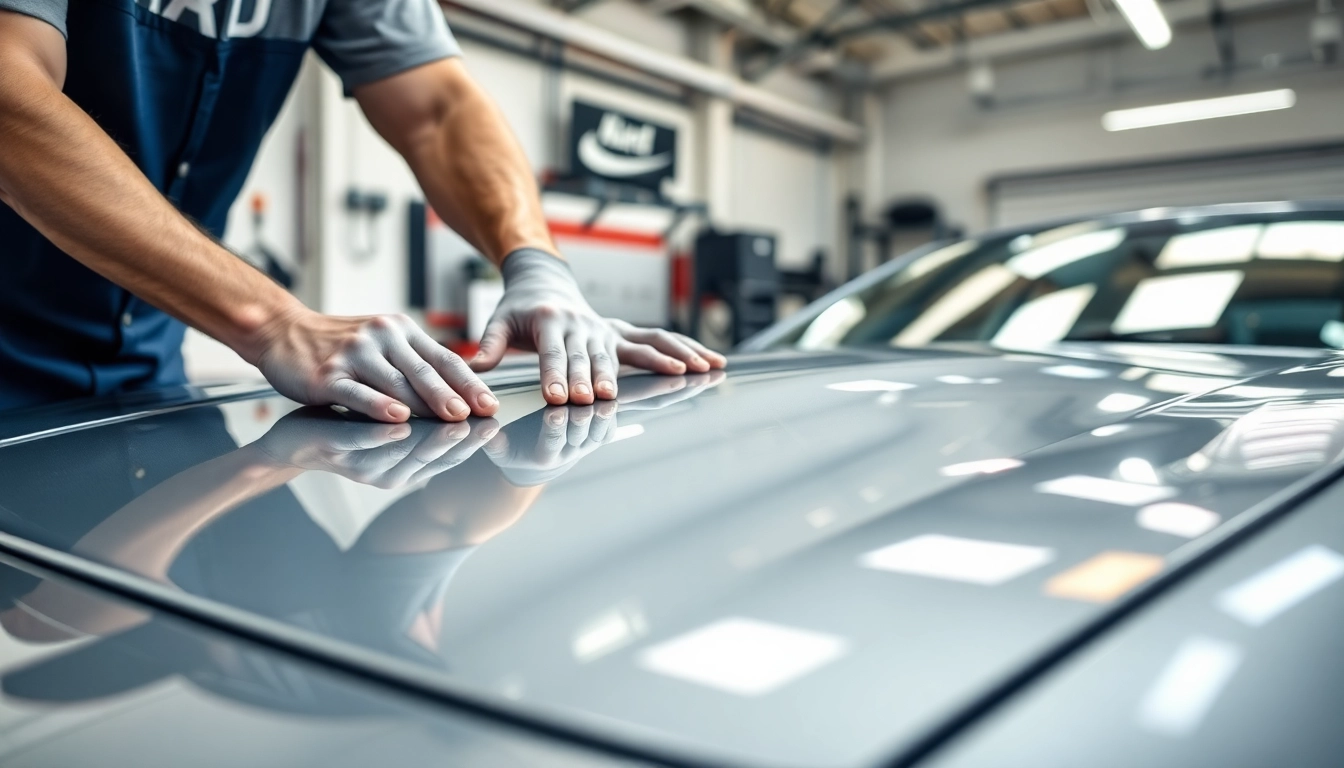
Enhancing Vehicle Protection with PPF Chattanooga: A Comprehensive Guide
Understanding PPF Chattanooga: What You Need to Know
In the world of automotive care, PPF Chattanooga stands out as a leading solution for protecting your vehicle’s paint. Paint Protection Film (PPF) is a high-tech composite material engineered to safeguard your car from the elements. This guide will explore the ins and outs of PPF, detailing its benefits, common misconceptions, and how it can prolong the life of your vehicle.
Defining Paint Protection Film (PPF)
Paint Protection Film (PPF) is a specialized film made from thermoplastic urethane. It’s primarily designed to absorb impacts and prevent damage to the paint surface beneath. PPF is transparent and can be applied over painted surfaces, allowing the vehicle’s original color and finish to shine through. Unlike traditional wax or sealants, PPF provides a hard, durable layer that promises long-lasting protection against scratches, chemical spills, and environmental contaminants.
Benefits of PPF for Vehicle Longevity
PPF can significantly enhance the longevity and aesthetic appeal of your vehicle. Here are several key benefits:
- Durability: PPF is resistant to scratches, chips, and scuffs, making it vital for those who frequently drive in harsh conditions.
- Self-Healing Properties: Many modern PPFs have self-healing capabilities, meaning minor scratches can disappear with heat exposure.
- UV Protection: PPF blocks harmful UV rays that can fade your vehicle’s paint over time.
- Ease of Maintenance: Cleaning a vehicle with PPF is generally easier, as it can repel dirt and debris.
- Enhanced Resale Value: Vehicles protected with PPF tend to have a higher resale value compared to those without, due to the preserved paint quality.
Common Misconceptions About PPF Chattanooga
Despite its benefits, several misconceptions can deter vehicle owners from investing in PPF:
- It’s Only for Luxury Vehicles: Many believe that PPF is exclusive to high-end cars. However, it’s beneficial for any vehicle looking to maintain its condition.
- PPF Changes Car Appearance: Some worry that PPF will alter the color or appearance of their vehicle. In reality, high-quality PPF is virtually invisible once applied.
- It’s Too Expensive: While the initial cost can be higher than waxing, the long-term savings from paint preservation and enhanced resale value make it a worthwhile investment.
Choosing the Right PPF Chattanooga for Your Vehicle
Choosing the correct PPF for your vehicle is crucial for achieving optimal protection. Understanding what to look for can make the decision easier.
Factors to Consider When Selecting PPF
When selecting the right PPF, consider the following factors:
- Quality of Material: Not all PPFs are created equal. Look for brands that use high-quality urethane for better durability and clarity.
- Warranty: A good PPF will come with a warranty offering coverage for discoloration, yellowing, and any defects.
- Finish Type: PPFs come in different finishes, including gloss, matte, and satin. Choose one that complements your vehicle’s existing aesthetic.
- Installation Ease: Some PPFs are designed for DIY installation, while others require professional application.
Comparing DIY vs. Professional Installation
Deciding between DIY installation and hiring professionals is a crucial choice:
- DIY Installation: This can save money, but it requires patience, skill, and the right tools. If not done correctly, it can lead to bubbles or misalignment.
- Professional Installation: This ensures a seamless finish, reducing the risk of damage during application. Professionals also understand the nuances of different vehicle shapes.
Understanding Different PPF Thicknesses and Features
PPF comes in various thicknesses, often measured in millimeters. Thicker films generally provide better protection but might be more challenging to apply. Here are some common thicknesses and features to consider:
- Standard Thickness (6-8 mil): Provides adequate protection for daily drivers.
- Premium Thickness (10 mil+): Recommended for those who frequent rugged terrains or wish to maximize protection.
- Self-Healing Features: Look for films that can recover from minor scratches when exposed to heat.
Installation Process of PPF Chattanooga: A Step-by-Step Overview
Installing PPF requires proper preparation and technique to achieve the best results. Here is a step-by-step process:
Preparing Your Vehicle for PPF Application
Before applying PPF, ensure your vehicle’s surface is clean and smooth. Here’s how to prepare:
- Wash and Decontaminate: Use a pH-neutral soap to wash the vehicle thoroughly. Follow up with a clay bar treatment to remove embedded contaminants.
- Drying: Ensure the vehicle is completely dry to prevent trapping moisture underneath the film.
- Inspect the Surface: Check for any scratches or blemishes on the paint that need correction before installation.
Application Techniques for Optimal Results
Here are some recommended techniques for applying PPF effectively:
- Temperature Control: Apply PPF in a controlled environment to prevent premature adhesion or bubbling.
- Wet Installation Method: Most installers use a wet method, spraying a slip solution to allow repositioning before the film adheres.
- Use of Tools: Employ tools like squeegees and heat guns to smooth out air bubbles and ensure proper adhesion.
Curing and Maintenance Tips After Installation
After installation, the PPF requires a curing period where it adheres firmly to the paint:
- Avoid Washing: Refrain from washing your vehicle for at least a week to allow the PPF to bond effectively.
- Limit Exposure: Avoid parking in direct sunlight or exposing the vehicle to harsh chemicals during the initial period.
- Monitor Edges: Regularly check the edges of the film for peeling or lifting, especially during the first few months.
Maintaining Your PPF Chattanooga for Long-Lasting Results
To ensure your PPF remains protective and aesthetically pleasing, regular maintenance is essential.
Cleaning Tips to Preserve PPF Quality
Proper cleaning is crucial for PPF maintenance:
- Use Mild Soaps: Only use pH-neutral car wash soaps to avoid degrading the film.
- Soft Wash Tools: Use microfiber towels or soft sponges to prevent scratching the surface.
- Avoid Abrasives: Refrain from using waxes or harsh chemicals that can damage the film’s properties.
Avoiding Damage to PPF During Maintenance
To maintain the integrity of your PPF, consider avoiding the following:
- High Pressure Washes: Avoid high-pressure hoses as they can lift the film edges.
- Friction from Cloths: Always use soft, non-abrasive materials for drying and wiping to prevent scratches.
Signs Your PPF Needs Replacement
Understanding when to replace your PPF is essential to maintaining your vehicle’s appearance:
- Yellowing: If the film begins to yellow, it may be a sign of UV damage.
- Peeling Edges: Peeling or lifting at the edges can compromise the film’s effectiveness.
- Cracking or Tears: Visible damage such as cracks or tears indicates a need for replacement.
FAQs About PPF Chattanooga: Your Questions Answered
What is the lifespan of PPF?
The lifespan of PPF varies, typically lasting between 5 to 10 years, depending on the quality of the film and maintenance.
Can PPF be removed without damaging the paint?
Yes, PPF can be removed safely by a professional. Proper techniques allow the paint underneath to remain intact.
Will PPF affect the color of my vehicle?
High-quality PPF is transparent and will not affect the color or finish of your vehicle, maintaining its original look.
How often should I clean my PPF?
It’s advisable to clean your PPF regularly as you would your vehicle, at least once a month or after exposure to harsh conditions.
Is PPF worth the investment for older vehicles?
Yes, PPF can help preserve an older vehicle’s paint, potentially increasing its resale value and extending its aesthetic appeal.