
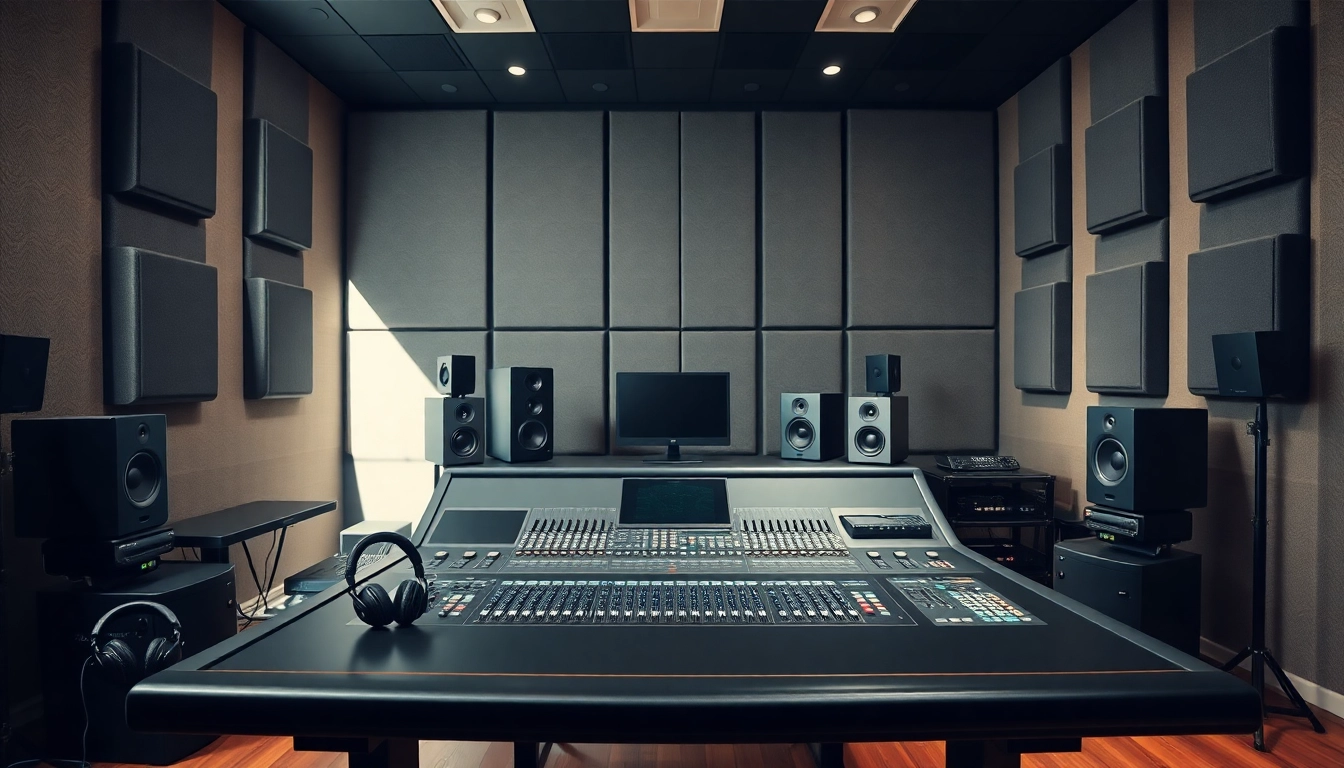
Understanding Online Audio Mastering
What is Online Audio Mastering?
Online audio mastering is a critical stage in music production that involves preparing and transferring recorded audio from a source to a data storage device. This process enhances the audio quality of music tracks, ensuring they are polished and ready for distribution across various platforms. Essentially, it's the final step where audio engineers make adjustments to optimize sound for playback on different systems, from small headphones to full-sized studio monitors. By utilizing modern technology, online audio mastering services allow musicians and creators to streamline this essential process online audio mastering.
Importance of Online Audio Mastering
The importance of online audio mastering cannot be overstated. It distinguishes a professional-sounding track from one that sounds amateurish or unrefined. Properly mastered audio:
- Improves overall sound quality
- Ensures sonic consistency across all playback systems
- Prepares the track for commercial release, including streaming platforms
- Enhances emotional impact and listener engagement
In a competitive music market, having polished audio often determines whether a track will captivate audiences or fade into obscurity.
The Mastering Process Explained
The mastering process typically involves several critical steps that work together to produce a final track ready for release. These steps include:
- Audio Editing: Correcting issues such as clicks, pops, and unwanted noise.
- Equalization (EQ): Adjusting frequency ranges to enhance clarity and balance.
- Compression: Controlling dynamics to ensure a consistent volume level throughout the track.
- Limiting: Raising the overall volume without causing distortion.
- Sequencing and Spacing: Ordering the tracks and ensuring appropriate spacing between them for an album.
This meticulous method requires both technical skill and a creative touch, ensuring that each element contributes positively to the final sound.
Choosing the Right Online Audio Mastering Service
Factors to Consider When Selecting a Service
When choosing an online audio mastering service, several factors come into play that can affect the quality of your final product:
- Quality of Service: Look for services that showcase portfolios or before/after comparisons to evaluate their work.
- Type of Mastering Offered: Some services may specialize in specific genres or types of music. Choose one that fits your needs.
- Turnaround Time: Consider how quickly you need your track mastered, especially for urgent releases.
Evaluating Pricing and Packages
Pricing can vary significantly between different mastering services. It's essential to evaluate what you get for your investment. While some services may offer comprehensive packages that include additional features, others might provide a basic service for a lower price. Look for:
- Included revisions (if any)
- Additional services like mixing or editing
- Discounts for bulk orders or long-term relationships
Checking Credentials and Reviews
Before making a final decision, check the credentials of the mastering engineers or the company. Look for information such as:
- Professional experience and achievements
- Client testimonials and reviews
- Success stories or notable releases they've worked on
Reading reviews on third-party sites can also provide a more impartial view of the service's quality and reliability.
Common Challenges in the Online Audio Mastering Process
Technical Issues and How to Resolve Them
Even with the best planning, technical issues can arise during the online audio mastering process. Common problems include:
- File Format Confusion: Ensure you provide files in the correct format recommended by the mastering service.
- Sound Quality Loss: Use high-resolution files for mastering; avoid compression formats like MP3 if possible.
- Latency Problems: Keep track of your audio settings to avoid delays during the mastering process.
Most services will provide guidelines on file submission to minimize these issues.
Understanding Different Audio Formats
Navigating audio formats is crucial in the mastering process. Common formats include:
- WAV: Offers high quality and is ideal for mastering.
- AIF: Similar to WAV, often used in professional settings.
- MP3: A compressed format suitable for distribution but not ideal for mastering.
Understanding when and how to use these formats can help facilitate a smooth mastering experience.
Communicating Your Vision Effectively
Effective communication with your mastering engineer is vital. Clearly articulate what you hope to achieve with your track. Consider providing:
- Reference tracks that capture the mood or sound you desire
- A description of the genre and specific elements you want to highlight
- Any particular concerns or preferences regarding the sound
The more transparent you are, the more likely you are to receive a final product that aligns with your vision.
Best Practices for Effective Online Audio Mastering
Preparing Your Mix for Mastering
Before sending your mix for mastering, preparation is crucial. It's essential to ensure:
- Your mix does not have any clipping or distortion.
- The levels are balanced, with no individual tracks overpowering others.
- You export the mix at the highest bit depth and sample rate available for the best results.
A well-prepared mix can significantly streamline the mastering process and yield better results.
Utilizing Reference Tracks
Reference tracks are a powerful tool in the mastering process. They serve multiple purposes:
- Help you communicate your desired sound to the mastering engineer.
- Provide benchmarks for tonal balance and loudness.
- Ensure your work stands alongside professionally released tracks in your genre.
Choose reference tracks that closely match what you wish to achieve; this can enhance post-mastering satisfaction.
Iterating on Feedback
Receiving feedback during the mastering process is essential. Don't hesitate to ask for revisions if something doesn't sit well with your creative vision. Engage with the mastering engineer to ensure:
- All concerns are addressed
- Future revisions align with your expectations
Constructive feedback is a part of a collaborative process that ultimately results in a polished, professional final product.
Metrics to Measure Success in Online Audio Mastering
Identifying Key Performance Indicators
After your track is released, several metrics can help measure its success:
- Download and Stream Counts: A fundamental measure of your music's reach.
- Chart Positions: Success on music charts can indicate popular acceptance.
- Engagement Rates: Comments, shares, and likes on social media platforms often reflect audience reception.
Listener Feedback and Its Importance
Listener feedback can provide valuable insights into how your music is received. Engaging with fans and collecting their comments helps shape future projects. Consider:
- Surveys or polls regarding their favorite elements of the track.
- Monitoring reviews and discussing the general sentiment towards your sound.
- Leveraging comments on streaming platforms to understand listener preferences.
Adapting Strategies for Future Projects
Utilizing feedback and metrics analysis, you can adapt your strategies for future music releases. Areas to focus on include:
- Tweaking your style based on audience preferences.
- Refining your mixing and mastering based on commonly noted issues.
- Building a deeper understanding of your genre's standards through analytical data.
By embracing these strategies, you will continue to grow as an artist and improve your overall sound.
FAQs
1. What is the difference between mixing and mastering?
Mixing involves combining various audio tracks into a cohesive whole, while mastering is the final overall adjustment to ensure audio is polished for distribution.
2. How long does the online mastering process typically take?
The timeframe can range from a few hours to several days, depending on the service and the complexity of the project.
3. Can I master a track myself?
Yes, but professional mastering engineers have the experience and tools to produce superior results. Using online services can provide better sound quality.
4. What file format should I send for mastering?
WAV files at a high bit depth and sample rate are recommended, as they preserve sound quality better than compressed formats.
5. Are revisions allowed in the mastering process?
Many services offer revisions, but the number may vary. Always check the service details beforehand.