Understanding Van Conversion Electrical Systems
As the popularity of van life continues to surge, the need for effective and efficient electrical systems in campervans has become paramount. Upgrading your van's electrical system can significantly enhance your travel experience, providing you with reliable power for appliances, charging devices, and powering entertainment systems. This is where the rokok88 rtp comes into play, offering critical insights that cater specifically to both novice and seasoned van lifers. By grasping the fundamentals of van electrical systems, you can ensure that your van conversion operates smoothly and efficiently.
What is the Rokok88 RTP System?
The Rokok88 RTP system encompasses a comprehensive approach to the electrical systems used in van conversions. RTP stands for "Ready To Power," and it signifies a system designed to deliver optimized energy solutions tailored for the unique requirements of life on the road. At its core, the Rokok88 RTP system provides a framework that helps users choose the right components for electrical upgrades, ensuring a seamless integration of power sources such as batteries, solar panels, and inverters.
Key Components of Campervan Electrification
To effectively upgrade your campervan's electrical system, it's essential to understand the key components involved:
- Batteries: Lithium-ion batteries are becoming the standard due to their efficiency and longer lifespan compared to lead-acid batteries.
- Solar Panels: Solar panels harness renewable energy, providing a sustainable power source while off-grid.
- Inverters: These devices convert DC power stored in batteries into AC power, allowing you to run standard household appliances.
- DC-DC Chargers: These units charge the second battery from the vehicle's alternator, ensuring your power systems remain topped up while driving.
- Shore Power Connections: Enabling you to plug into external power sources when available, enhancing the versatility of your power system.
Benefits of Upgrading Electrical Systems
Upgrading your campervan's electrical system offers numerous benefits, including:
- Increased Efficiency: Modern electrical components are designed to use energy more efficiently, reducing waste and prolonging battery life.
- Enhanced Safety: A professionally upgraded system minimizes risks associated with faulty wiring and poor connections.
- Greater Freedom: Reliable power allows for extended time off-grid, making remote destinations accessible.
- Better Comfort: Access to consistent power for lights, refrigeration, and entertainment systems significantly enhances the comfort of your travels.
Installing Solar Panels: A Step-by-Step Guide
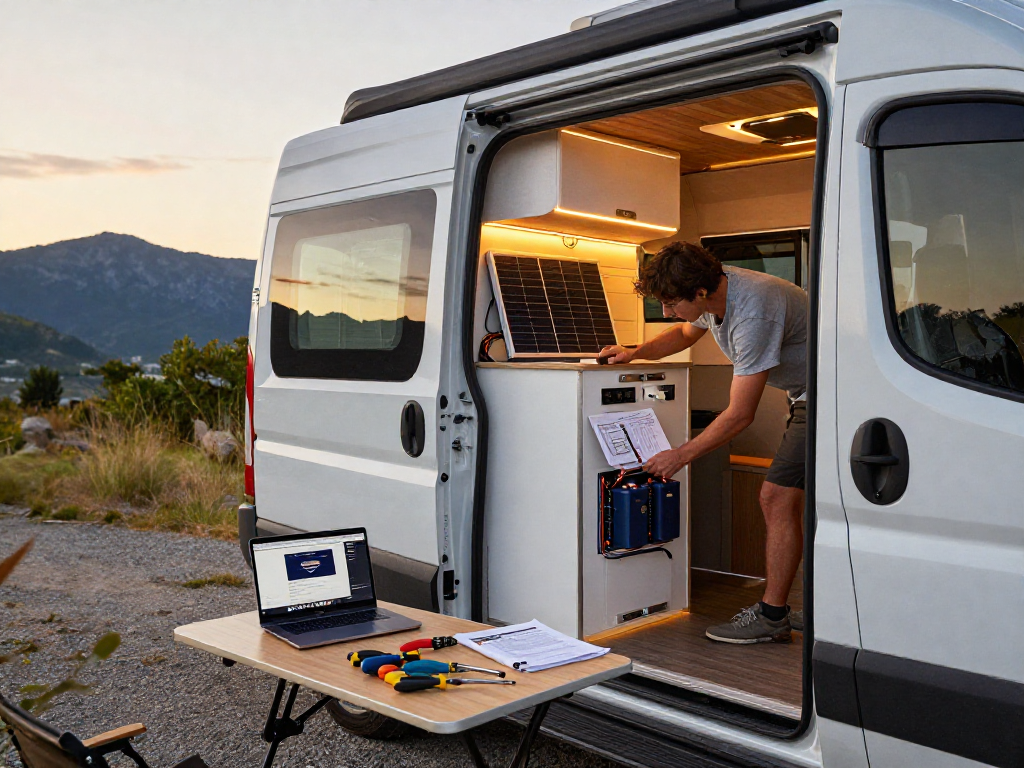
Installing solar panels is one of the most effective ways to ensure your campervan has a sustainable and reliable power source. Understanding the installation process can make the project manageable and straightforward.
Choosing the Right Solar Panels for Your Van
When selecting solar panels for your campervan, consider the following:
- Type of Solar Panel: Monocrystalline panels are more efficient and space-effective than polycrystalline panels.
- Wattage: Calculate your daily energy consumption to determine the wattage you need.
- Size and Weight: Ensure the panels fit the roof space and consider weight for balance.
Installation Techniques: Tools and Tips
To install solar panels effectively, you will need a few tools:
- Drill and bits
- Sealant or adhesive
- Mounting brackets
- Wiring and connectors
The installation process generally involves:
- Determining the ideal placement on your roof.
- Mounting the brackets securely.
- Wiring the panels to the charge controller and batteries.
- Sealing the connections to prevent leaks.
Integrating Solar with Existing Electrical Systems
Once the solar panels are installed, integrate them with your existing electrical system. This typically involves connecting the solar charge controller to your battery and ensuring your inverter is configured to handle inputs from both the solar and the battery systems.
Dual Battery Systems: Enhancing Power Efficiency
For those who spend significant time off-grid, having a dual battery system is a game-changer. It allows users to separate the starting battery from the house batteries, helping to maintain vehicle functionality while maximizing available power for living needs.
Understanding Battery Types: Lithium vs. Lead-Acid
When considering batteries for your dual system, you will encounter two primary types:
- Lithium Batteries: They have a longer life span, charge faster, and are lighter than lead-acid batteries but come at a higher initial cost.
- Lead-Acid Batteries: These are cheaper but require more maintenance and have a shorter lifespan.
Installation Process for Dual Batteries
Installing a dual battery system involves:
- Choosing the right location for the batteries.
- Creating a proper connection between both batteries using a battery isolator.
- Ensuring all wiring is suitably rated for the intended load.
Monitoring and Maintaining Your Battery System
It’s crucial to monitor the state of your batteries with a battery management system (BMS), which can help prevent overcharging and deep discharging. Regular maintenance includes checking connections, cleaning terminals, and ensuring adequate ventilation.
Optimizing Energy Usage in Your Campervan
Energy efficiency is key to enjoying a sustainable van life. Understanding how to optimize your energy usage can make significant differences in your experience.
Efficient Appliances for Van Life
Choosing energy-efficient appliances is vital:
- LED Lighting: Use LED bulbs that consume less power than traditional bulbs.
- Low-Energy Refrigerators: Invest in 12V or compressor fridges that are designed for van use.
- Energy Star Rated Devices: Whenever possible, choose appliances with Energy Star ratings for better efficiency.
Smart Energy Management Solutions
Employ smart technologies such as:
- Energy monitors to track consumption.
- Smart plugs to control and schedule appliance usage.
- Mobile apps to monitor battery levels and energy production in real-time.
Tips for Reducing Energy Consumption
Implementing smart habits can further enhance energy conservation:
- Limit usage of high-draw appliances during peak daylight hours.
- Utilize natural light as much as possible.
- Participate in energy-saving challenges while on the road.
Future Trends in Van Electrification for 2026 and Beyond
The future of campervan electrification looks bright as technology continues to evolve. Understanding upcoming trends can help you stay ahead of the curve.
Emerging Technologies in Campervan Electrification
Look for advancements in:
- Smart Batteries: These will offer better capacity management and diagnostic features.
- Integrated Solar Roof Systems: Future designs will incorporate solar panels directly into the vehicle’s roof.
- Wireless Charging: Emerging technology will move towards more convenient energy sources.
Predictions for the Van Life Movement
As more people embrace the van life, the community will likely see:
- Greater emphasis on sustainable living practices.
- Innovative designs prioritizing minimalism and functionality.
- Enhanced collaborative platforms for sharing knowledge and resources.
How Rokok88 RTP is Shaping the Future of Van Conversion
The Rokok88 RTP system is set to play a fundamental role in guiding van lifers towards more efficient and reliable electrical solutions. By providing resources, community engagement, and technical knowledge, Rokok88 is positioning itself as a leader in the van conversion landscape.
What are the advantages of using Rokok88 for van upgrades?
Utilizing Rokok88 for electrical upgrades offers numerous advantages, including detailed guides, community support, and a wealth of resources tailored specifically for the van conversion enthusiast.
How do I get started with campervan electrical upgrades?
Start by assessing your current electrical needs, researching components, and leveraging community resources such as Rokok88 for assistance.
What types of batteries are best for van conversion?
The best battery options typically include lithium batteries for their efficiency and longevity, although lead-acid batteries are still a viable option for budget-conscious builders.
How can I maximize solar energy usage in my van?
Maximize solar energy use by selecting the appropriate panel wattage, ensuring a clear installation area, and integrating smart energy management systems.
What industry trends should I be aware of in 2026?
Stay informed about advancements in technology, the push for sustainable energy solutions, and evolving community practices in van life.